Liquid Membranes or Sheet Systems?
Have you considered how your choice of waterproofing can impact your property's longevity? Understanding the differences between liquid membranes and sheet systems is crucial for making an informed decision that will protect your investment for years to come.
What You Will Learn
- Liquid membranes provide a seamless application, significantly reducing the risk of leaks.
- Sheet membranes are durable and offer resistance to punctures and tears, making them ideal for various applications.
- Both waterproofing systems have unique strengths, with liquid membranes excelling in UV resistance and adaptability.
- Cost considerations include initial installation costs versus long-term maintenance expenses, impacting your overall investment.
Roof Waterproofing Systems: A Comparative Overview
Delving into the specifics of roof waterproofing, the following comparison highlights the key differences and benefits of liquid membrane and sheet systems, crucial for effective protection against water damage.
Understanding Roof Waterproofing Systems: A Comparison of Liquid Membranes and Sheet Systems
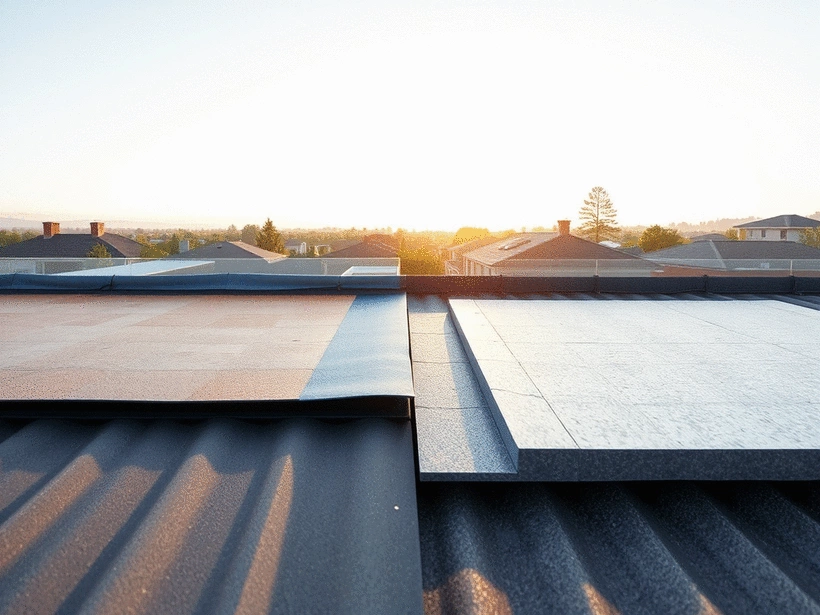
When it comes to protecting your roof from water damage, understanding the right waterproofing system is essential. At Gold Coast Waterproofing Solutions, we've seen firsthand how effective liquid membranes and sheet systems can be in safeguarding properties from moisture intrusion. Let's dive into the specifics of these two popular options and how they can benefit your roof.
What Are Liquid Membranes and How Do They Work?
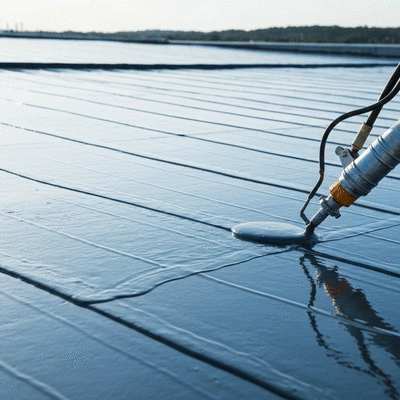
Liquid membranes are a type of waterproofing solution that is applied directly to the surface of a roof. Comprised of a polymer-based material, these membranes form a seamless barrier that effectively prevents water penetration. The application process typically involves cleaning the roof surface, applying a primer, and then spraying or rolling on the liquid membrane. Once cured, this flexible layer adapts to the roof's movements, providing robust protection. For more in-depth information, the National Institute of Building Sciences offers comprehensive waterproofing guides that detail various membrane applications.
- Seamless application minimizes the risk of leaks.
- Flexibility allows for movement and settling of the building.
- Customizable to fit complex roof shapes and penetrations.
This adaptability is particularly appealing for roofs with intricate shapes or numerous penetrations, making liquid membranes a popular choice for many homeowners and businesses.
Exploring Sheet Membranes: Features and Functionality
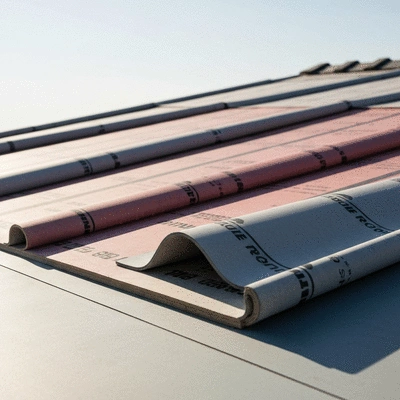
Sheet membranes, on the other hand, come in pre-manufactured rolls made from materials like PVC, TPO, or EPDM. These membranes require a different installation approach, often involving heat welding or adhesives to secure them in place. They provide a durable layer of protection that is resistant to punctures and tears, which is crucial for maintaining the integrity of a roof. The Whole Building Design Guide also provides valuable insights into building envelope design and waterproofing systems, including sheet membrane technologies.
- PVC: Known for its durability and resistance to chemicals.
- TPO: Offers great energy efficiency and ease of installation.
- EPDM: Highly elastic and excellent for low-slope roofs.
Each type of sheet membrane has its unique advantages, allowing for various applications depending on your specific roofing needs.
Assessing Performance: Liquid vs. Sheet Membranes for Gold Coast Conditions
Seamless Protection vs. Pre-formed Reliability
When comparing liquid membranes to sheet systems, one standout feature is the seamless application of liquid membranes. This characteristic significantly reduces the likelihood of leaks, which is a common concern for property owners in the Gold Coast region. In contrast, the pre-formed reliability of sheet membranes offers a robust solution with less chance of human error during installation.
Durability and UV Resistance: What You Need to Know
In the coastal environment of the Gold Coast, UV exposure and humidity play a significant role in determining the longevity of your roofing materials. Liquid membranes generally offer superior UV resistance, keeping your roof in better condition over time. However, high-quality sheet membranes are also engineered to withstand these tough conditions, making them a viable option depending on your specific needs.
Weather Resistance: How Membrane Types Hold Up in Coastal Areas
Given the extreme weather conditions that can occur on the Gold Coast, it's vital to choose a waterproofing solution that can handle the elements. Liquid membranes tend to excel in managing water runoff and preventing pooling due to their seamless nature. Meanwhile, sheet membranes are known for their resilience against high winds and hail, which can be a common concern in our coastal climate.
Quick Summary
Here's a brief recap of the key points discussed so far:
- Liquid Membranes: Provide seamless application, excellent flexibility, and customizable options for complex roof shapes.
- Sheet Membranes: Known for their durability, ease of installation on large flat surfaces, and resistance to punctures and tears.
- Coastal Conditions: Both systems have unique advantages in UV resistance and weather resilience, crucial for Gold Coast properties.
Making the Right Choice: Liquid Membranes vs. Sheet Systems
As we consider which waterproofing solution is the best fit for your roof, it’s essential to weigh the advantages and disadvantages of both liquid membranes and sheet systems. Each option brings unique benefits and potential drawbacks, especially when tailored to the specific needs of Gold Coast properties.
Let’s recap some key points that can help guide your decision-making process:
- Liquid Membranes: Highly versatile, ideal for complex roof shapes, and seamless application provides excellent protection against water ingress.
- Sheet Systems: Known for durability, they are easier to install on large flat surfaces and offer a reliable barrier against UV exposure.
- Cost Considerations: Liquid membranes may have higher initial costs but can save money on repairs over time, while sheet systems might involve lower upfront installation costs.
- Maintenance: Liquid membranes require periodic checks but are relatively easy to repair, while sheet systems can be more challenging to fix if damaged.
Understanding these factors is critical in choosing the right waterproofing system for your property. It’s not just about immediate costs but also about the long-term value and protection of your home or business.
Cost Comparison: Understanding Your Investment
When it comes to waterproofing options, the cost-effectiveness of liquid membranes versus sheet systems can vary significantly. As a waterproofing specialist, I often see clients weighing their choices based on initial installation costs and long-term maintenance expenses.
Here's a breakdown of what to consider:
- Installation Costs: Liquid membranes often require skilled labor for application, which can increase upfront costs. In contrast, sheet systems are generally faster to install, potentially lowering labor costs.
- Maintenance Costs: Liquid membranes, while more expensive initially, typically require less frequent repairs than sheet systems. This aspect can lead to savings over time.
- Expected Lifespan: Both systems can last many years, but the lifespan is influenced by installation quality and local environmental conditions.
In my experience at Gold Coast Waterproofing Solutions, investing in quality materials and skilled application is essential for achieving the best long-term results. Understanding your investment will help you make a more informed choice, ensuring that your property remains protected.
Your Next Steps: Engaging Local Experts for Installation
Deciding on the right waterproofing system is just the beginning. The next crucial step is consulting with local experts like the team at Gold Coast Waterproofing Solutions. We are here to provide tailored advice that suits your specific roofing needs.
When engaging with local contractors, consider the following:
- Ask about their experience with both liquid and sheet membranes.
- Request detailed quotes that include all potential costs, so there are no surprises later.
- Ensure they comply with Australian Standards to guarantee your property’s safety and compliance. For more information on Australian building and construction standards, resources like the Australian Housing and Urban Research Institute can be helpful.
Our team is dedicated to delivering quality service and ensuring every project meets the highest standards. Don’t hesitate to reach out for an evaluation, and let’s discuss the best waterproofing options for your property!
Frequently Asked Questions About Roof Waterproofing
What are the primary differences between liquid membranes and sheet systems?
Liquid membranes are applied as a seamless, flexible coating that conforms to complex shapes, ideal for preventing leaks in intricate roof designs. Sheet systems, made from pre-manufactured rolls (like PVC, TPO, EPDM), offer robust, durable protection, often installed with heat welding or adhesives, and are excellent for larger, flatter surfaces.
Which waterproofing system offers better UV resistance?
Liquid membranes generally offer superior UV resistance, which is beneficial for maintaining roof integrity over time, especially in sun-exposed areas like the Gold Coast. However, high-quality sheet membranes are also engineered to withstand significant UV exposure.
What are the cost implications of each system?
Liquid membranes typically have higher initial installation costs due to the specialized labor required. However, they often lead to lower long-term maintenance expenses and easier repairs. Sheet systems can have lower upfront labor costs due to faster installation but might incur higher long-term repair costs if damaged.
How do these systems perform in extreme weather conditions?
Liquid membranes excel at managing water runoff and preventing pooling due to their seamless application. Sheet membranes are known for their resilience against high winds and hail, making them a strong choice for coastal areas prone to severe weather.
Why is it important to engage local experts for installation?
Local experts understand regional climate challenges and compliance with local standards (e.g., Australian Standards). They can provide tailored advice, detailed quotes, and ensure skilled application, which is crucial for the long-term effectiveness and durability of your waterproofing system.
Invitation to Share Experiences and Questions
Join the Discussion: Your Waterproofing Stories Matter
We want to hear from you! Have you used liquid membranes or sheet systems for your roof? What challenges did you face, and how did your waterproofing solution perform over time? Share your experiences or ask any questions you may have regarding waterproofing.
Your insights can help others navigate their choices, and at Gold Coast Waterproofing Solutions, we believe that every story matters! Let’s create a community where we can all learn from each other’s experiences.
Recap of Key Points
Here is a quick recap of the important points discussed in the article:
- Liquid Membranes: Offer seamless application, making them highly versatile for complex roof shapes and providing excellent protection against water ingress.
- Sheet Systems: Known for their durability, easier to install on large flat surfaces, and provide a reliable barrier against UV exposure.
- Cost Considerations: Liquid membranes may have higher initial costs but save money on long-term repairs, while sheet systems might involve lower upfront installation costs.
- Maintenance: Liquid membranes are relatively easy to repair, whereas sheet systems can be more challenging if damaged.