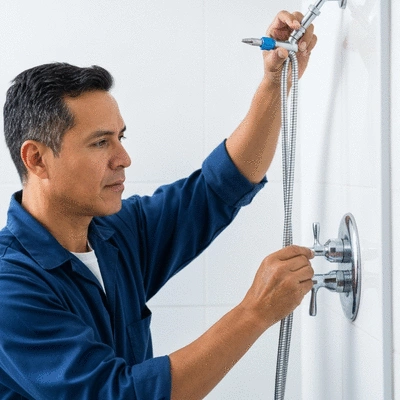
Common Causes of Shower Leaks
Often overlooked, leaking showers can lead to extensive water damage in your home. Understanding the common causes and effective solutions can save you from costly repairs down the line. What if a simple inspection could protect your property and peace of mind?
What You Will Learn
- Common causes of shower leaks include failed grout, silicone deterioration, and cracked tiles.
- Identifying the signs of water damage early can prevent mold growth and structural issues.
- Regular maintenance, such as re-grouting and re-siliconing, can significantly extend the life of your shower.
- DIY solutions can address minor issues, while complex problems may require professional assistance.
Understanding Shower Leak Causes & Fixes
This visual summarizes the common causes of shower leaks and their fastest fixes, offering a clear comparison for Gold Coast homeowners.
Common Causes of Shower Leaks
- Failed Grout
- Silicone Deterioration
- Cracked Tiles
- Plumbing Faults
- Blocked Wastes
- Damaged Puddle Flanges
- Hob Issues
- Movement & Structural Changes
Fastest Fixes for Shower Leaks
- Re-grouting (for failed grout)
- Re-siliconing (for degraded seals)
- Replacing Cartridges & Taps (for plumbing faults)
- Clearing Blockages (for blocked wastes)
- Resealing Membranes (for damaged membranes)
- Effective Caulking (for general seals)
- Professional Assessment (for structural changes/hob issues)
- Timely Tile Replacement (for cracked tiles)
Understanding Leaking Showers: Causes and Implications for Gold Coast Homeowners
Leaking showers are a common issue that many homeowners on the Gold Coast face. These leaks can lead to serious water damage if not addressed promptly. In this section, we’ll explore the various causes of shower leaks and their implications for your home. By understanding these factors, you can take proactive steps to protect your property!
Have you ever noticed water pooling around your shower? It’s crucial to identify the source of the leak before it leads to bigger problems, such as mold growth or structural damage. Let’s dive into some of the most common causes of shower leaks that I’ve encountered over the years at Gold Coast Waterproofing Solutions.
Identifying Common Causes of Shower Leaks
Identifying the root cause of a shower leak can be tricky, but being aware of the common culprits can make a big difference. Here’s a list of the primary causes:
- Failed Grout
- Silicone Deterioration
- Cracked Tiles
- Plumbing Faults
- Blocked Wastes
- Damaged Puddle Flanges
- Hob Issues
- Movement and Structural Changes
- Water Damage
Now, let’s take a closer look at each of these factors to ensure you know what to look for!
Failed Grout: Recognizing the Signs and Symptoms
Grout plays a vital role in keeping water where it belongs—inside the shower! Over time, grout can crack or wear away, allowing water to seep through. Signs of failed grout include discoloration, visible cracks, and water stains on surrounding walls. If you notice any of these symptoms, it’s time to consider re-grouting.
Have you checked the grout in your shower lately? Regular inspections can help catch these issues before they escalate!
Silicone Deterioration: How It Affects Your Shower
Silicone seals are essential for preventing water from escaping around fixtures and joints. Over time, they can deteriorate due to age or exposure to moisture. If you see mold growth or gaps in the silicone, it may not be sealing properly. This can lead to leaks and, ultimately, costly repairs.
Replacing old silicone is a simple fix that can save you from more significant headaches down the road. Don't wait for the problem to get worse!
Cracked Tiles: Identifying Structural Problems
Cracked tiles are not just an aesthetic issue; they can indicate underlying structural problems. Cracks can allow water to penetrate beneath the surface, leading to extensive damage. Pay attention to any tiles that are loose or have visible cracks—these are signs of a potential leak.
If you notice cracked tiles, it might be time to investigate further and possibly consult a professional!
Plumbing Faults: When to Investigate Further
Sometimes, the issue lies within the plumbing itself. Faulty pipes, loose fittings, or broken valves can lead to leaks that are hidden from view. If you've ruled out other causes and still have a persistent leak, it's wise to have your plumbing inspected. For more information on identifying and fixing leaks, the EPA WaterSense program offers valuable resources on fixing leaky fixtures around your home.
Call a licensed plumber to assess the situation. They can pinpoint issues that might not be visible to the untrained eye!
Blocked Wastes and Its Impact on Shower Functionality
Blocked waste pipes can cause water to back up, leading to leaks. This is often associated with slow drainage or pooling water. Regularly clearing hair, soap residue, and other debris can help maintain proper drainage and prevent leaks.
Performing a quick DIY check can save you time and money. Consider using a drain snake or a plunger to keep things flowing smoothly!
Damaged Puddle Flanges and Shower Screen Seals
Puddle flanges are crucial for redirecting water toward the drain. If they’re damaged, they can allow water to leak into the floor. Similarly, worn shower screen seals can lead to leaks outside the shower area. Inspect these features regularly to ensure they are in good condition.
Replacing damaged components early can prevent water damage to your floors and walls!
Hob Issues: Understanding Water Flow and Drainage
Hobs, or raised edges around your shower, are designed to hold water within the shower area. If these are poorly constructed or damaged, water can escape, leading to leaks. Ensure hobs are installed correctly and in good condition to maintain proper water flow.
Don't overlook this vital aspect when assessing your shower's functionality!
Movement and Structural Changes: How They Contribute to Leaks
Homes settle over time, and this movement can cause existing seals and joints to crack or break. If you notice new gaps forming around fixtures, it’s essential to address them quickly. Structural changes can lead to significant leaks if left unresolved. The Department of Energy also provides helpful tips for identifying and fixing leaks, which can contribute to significant energy loss and damage.
Keep an eye on your shower's structure, and don’t hesitate to seek advice if you notice concerning changes!
Water Damage: Recognizing the Long-Term Effects of Leaks
Finally, it’s crucial to understand the long-term effects of water damage from leaks. Over time, untreated leaks can lead to mold growth, structural damage, and even health hazards. If you suspect a leak has been present for an extended period, it’s wise to consult a professional for a thorough inspection.
At Gold Coast Waterproofing Solutions, we’re dedicated to helping homeowners like you protect their properties from water damage. Early intervention can save you from costly repairs down the line!
Fastest Fixes for Common Shower Leak Causes
Now that we’ve covered the common causes of shower leaks, let’s look at some of the fastest fixes for these issues. Here’s a list of quick solutions to consider:
- Re-grouting
- Re-siliconing
- Replacing Cartridges and Taps
- Clearing Blockages
- Resealing Membranes
- Effective Caulking Techniques
These solutions can make a big difference in maintaining your shower's integrity and preventing leaks!
Re-grouting: When It’s Necessary and How It’s Done
Re-grouting is essential when you see signs of failed grout. It involves removing old grout and applying a new layer to restore waterproofing. This is typically a straightforward process that can be done in a day!
It’s a great way to enhance the lifespan of your shower while ensuring it remains water-tight!
Re-siliconing: Benefits and Steps to Take
Re-siliconing is another effective fix. This process involves removing old silicone and applying a fresh layer to prevent leaks. It’s crucial for areas around taps, shower screens, and joints.
By keeping your seals updated, you can avoid more significant problems down the line—who wouldn’t want that?
Replacing Cartridges and Taps: A Quick Guide to Shower Repairs
If your shower tap is dripping or not functioning correctly, replacing cartridges can often resolve the issue. It’s a relatively simple task that can save you water and reduce your bills!
With the right tools and guidance, you can tackle this repair yourself or call a professional if you're unsure.
Clearing Blockages: DIY Approaches vs. Professional Help
For blocked drains, DIY methods like using a plunger or a drain snake can often do the trick. However, if you encounter persistent blockages, it may be time to call in a pro. They can help assess the situation and ensure everything is running smoothly.
Don’t let blockages turn into leaks—stay ahead of the game!
Resealing Membranes: The Importance of Proper Installation
Membranes are crucial for waterproofing. If they’re damaged, resealing them is essential. This process requires skill to ensure that they are correctly installed and sealed.
Don’t hesitate to reach out to a professional for this task—they can ensure everything is up to Australian Standards!
Caulking Techniques for Effective Shower Seals
Proper caulking techniques can significantly enhance your shower's waterproofing. Ensure your caulk is applied smoothly and evenly to prevent gaps where water can escape.
Regularly inspecting your caulk lines can help maintain the integrity of your shower!
Interactive Poll: Share Your Thoughts!
As you learn about the various causes and fixes for leaking showers, we want to know: What is your biggest concern when it comes to shower leaks? Choose one of the options below:
Conclusion: Taking the Next Steps for Your Leaking Shower
As we wrap up our discussion on leaking showers, it's important to understand your options and make informed choices moving forward. Whether you are considering DIY solutions or seeking professional help, being proactive about addressing these issues is key to maintaining the integrity of your home.
At Gold Coast Waterproofing Solutions, I often see homeowners grappling with the decision of whether to tackle repairs themselves or hire an expert. While DIY can save you some cash, it’s crucial to weigh the potential risks involved. Often, a simple leak can lead to bigger problems down the line if not handled correctly. So, what’s the best route for you?
Understanding Your Options and Making Informed Choices
When faced with a leaking shower, one of the first decisions you'll need to make is whether to go for a DIY fix or call in a professional. Here’s a quick breakdown of the two options:
- DIY Solutions: Suitable for minor issues like re-siliconing or unclogging drains.
- Professional Assistance: Best for complex problems requiring specialized knowledge, such as plumbing faults or extensive water damage.
Be honest with yourself about your skill level and the severity of the leak. If you're unsure, it might be best to consult a professional to avoid further complications. If you decide to go the DIY route, gather your tools and follow reliable guides to ensure everything is done correctly! For those interested in a more comprehensive guide to finding and fixing various bathroom leaks, Consumer Reports offers valuable insights and practical steps.
Weighing DIY Solutions vs. Professional Assistance
As a waterproofing specialist, I often recommend evaluating the situation thoroughly. Consider factors like:
- The complexity of the repair
- Your available time and expertise
- Potential long-term consequences of a DIY approach
Ultimately, if you're not confident in your ability to resolve the issue, it's wise to reach out for professional help. The team at Gold Coast Waterproofing Solutions is always ready to assist with any shower repairs, ensuring compliance with Australian Standards and delivering lasting results.
How to Prepare for a Professional Consultation
If you decide to consult a professional, being prepared can make the process smoother. Here are some steps to take:
- Document any visible signs of damage or leaks.
- Take photos of the affected area.
- Write down any questions or concerns you may have.
This preparation not only helps the professional understand your situation better but also ensures you get the most out of your consultation. Having clear communication can lead to more effective and efficient repairs!
Frequently Asked Questions About Leaking Shower Repairs
As a homeowner, you may have lingering questions about leaking showers. Here are some common FAQs to help guide you:
What Are the Most Common Signs of a Leaking Shower?
Common signs include water stains on the wall, dampness around the shower base, an unexplained increase in your water bill, and a musty odor. Being aware of these signs early can save you from extensive repairs.
Can Leaking Grout Be Fixed Without Re-tiling?
Yes, in many cases, re-grouting can be a solution without needing to re-tile. This involves removing the old, damaged grout and applying a fresh layer. However, it's essential to ensure that the underlying issues causing the grout failure are addressed to prevent future leaks.
How Long Does Shower Resealing Typically Last?
Shower resealing can last anywhere from 1 to 3 years, depending on usage, the quality of materials used, and environmental factors like humidity. Regular maintenance, such as cleaning and inspecting seals, can significantly extend this lifespan!
What Should Homeowners Know About Mold Prevention in Shower Areas?
Mold thrives in damp, poorly ventilated environments. To prevent its growth, ensure proper ventilation by using an exhaust fan during and after showers, wipe down surfaces, and regularly check for leaks or standing water, which can create the perfect environment for mold to flourish.
How Do Different Shower Installation Methods Affect Repair Needs?
Different installation methods can lead to varying repair needs. For instance, showers with improper drainage systems, inadequate waterproofing membranes, or poorly installed hobs may require more frequent maintenance and repairs. Understanding your installation type can help in addressing issues more effectively and proactively.
Recap of Key Points
Here is a quick recap of the important points discussed in the article:
- Identify common causes of shower leaks, including failed grout, silicone deterioration, and cracked tiles.
- Regular inspections can help catch issues like grout failure or silicone gaps before they escalate.
- Consider DIY solutions for minor repairs, but seek professional help for complex plumbing faults and extensive damage.
- Fast fixes for leaks include re-grouting, re-siliconing, and clearing blocked waste pipes.
- Document visible signs of damage and prepare questions before consulting a professional for repairs.
As we wrap up our discussion on leaking showers, it's important to understand your options and make informed choices moving forward. Whether you are considering DIY solutions or seeking professional help, being proactive about addressing these issues is key to maintaining the integrity of your home.