Concrete Waterproofing on the Gold Coast
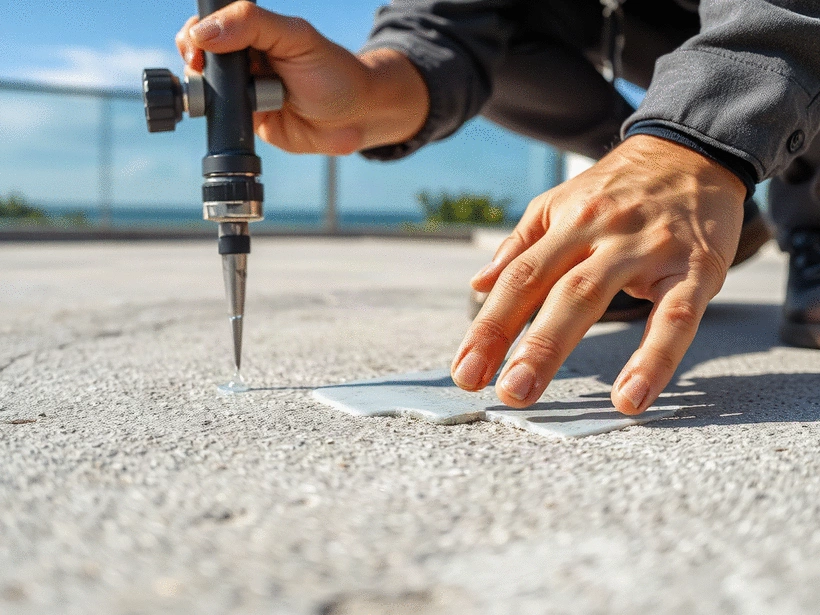
Concrete waterproofing helps protect concrete surfaces from water ingress and moisture-related deterioration. On the Gold Coast, effective moisture control can be particularly important where concrete is exposed to rainfall, groundwater or ongoing damp conditions.
Concrete Waterproofing on the Gold Coast
Concrete waterproofing involves using protective materials and moisture-control measures to reduce water penetration. Cracks, poor drainage, damaged membranes and groundwater can all contribute to water entering concrete structures.
Effective waterproofing can help protect concrete from prolonged moisture exposure and reduce the risk of deterioration. For more information, see our guide to concrete waterproofing solutions.
Common Causes of Concrete Water Ingress
- Cracks and fissures in concrete
- Poor drainage around the structure
- High groundwater levels
- Inadequate or damaged waterproofing membranes
- Persistent exposure to moisture
Identifying the source of water ingress is important before waterproofing work begins. A crack, drainage problem or failed membrane may require specific remedial work rather than simply applying another surface coating.
Concrete Moisture Control
Moisture control is an important part of concrete waterproofing. Depending on the structure and source of moisture, the source material identifies several approaches:
- Waterproof sealants
- Drainage systems that direct water away from the structure
- Vapour barriers where appropriate
The appropriate combination depends on the condition of the concrete and how water is reaching the surface. Addressing drainage and other sources of moisture can be just as important as the waterproofing material itself.
Signs Concrete May Need Waterproofing
Several visible signs may indicate that moisture is entering or affecting a concrete surface:
- Visible cracks: Cracks can provide pathways for water penetration.
- Efflorescence: White, chalky deposits can indicate moisture movement through concrete.
- Water stains: Dark or damp areas may indicate water penetration.
- Mould or mildew: Persistent moisture can contribute to mould or mildew growth.
These signs should be investigated to determine the underlying cause before selecting a waterproofing solution.
Maintaining Waterproofed Concrete
Regular inspection and maintenance can help identify problems before they become more extensive. Recommended maintenance from the source material includes:
- Inspecting waterproofed surfaces for wear or damage
- Keeping concrete surfaces clean
- Repairing cracks and leaks promptly
- Reapplying sealants when required by the product used
The frequency of maintenance and resealing will depend on the waterproofing product and the conditions affecting the concrete.
DIY or Professional Concrete Waterproofing?
Some waterproofing products may be suitable for smaller maintenance tasks, but more complex water ingress can require assessment of the concrete, drainage and existing waterproofing system.
Professional waterproofing services can provide access to specialist materials and knowledge for identifying moisture problems and selecting an appropriate waterproofing approach. Where existing damage is involved, understanding the cause before applying a new system is particularly important.
Concrete Waterproofing FAQs
What causes water to enter concrete?
The source material identifies cracks and fissures, poor drainage, high groundwater levels and inadequate or damaged waterproofing membranes as common causes of water ingress.
What are the signs of moisture problems in concrete?
Visible cracks, efflorescence, water stains and mould or mildew can indicate moisture-related problems.
How can waterproofed concrete be maintained?
Inspect the surface regularly, keep it clean, repair cracks or leaks promptly and reapply sealants when required by the particular product.
Can drainage form part of a waterproofing solution?
Yes. The source specifically identifies drainage systems as one of the moisture-control measures that can help direct water away from concrete structures.
Concrete Waterproofing on the Gold Coast
Concrete waterproofing is most effective when the cause of water ingress is understood and the appropriate combination of waterproofing and moisture-control measures is selected. Cracks, drainage issues, groundwater and existing membrane damage should all be considered when assessing a concrete waterproofing project.
For broader information about waterproofing options, see our guide to waterproofing solutions for Gold Coast properties.
Contact us on 0419 136 537.