Rooftop Waterproofing Gold Coast
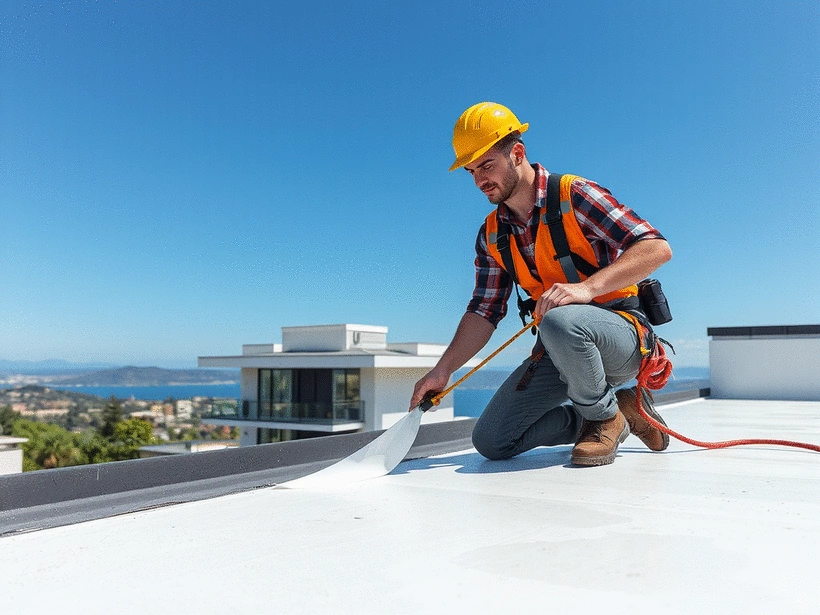
Rooftop waterproofing is an important part of protecting Gold Coast properties from water intrusion, particularly where roofs are exposed to heavy rainfall and strong sunlight. The right membrane system can help reduce leaks, moisture damage and deterioration of roofing materials.
Rooftop Waterproofing on the Gold Coast
Rooftop waterproofing involves applying a protective membrane or coating to help prevent water from penetrating the roof structure. When waterproofing deteriorates or fails, water can enter through vulnerable areas and contribute to internal water damage, mould and deterioration of building materials.
For more information about different rooftop systems, see our guide to rooftop waterproofing solutions.
Common Rooftop Waterproofing Problems
Rooftop waterproofing may be required where there are signs of water entry or deterioration, including:
- Roof leaks resulting in internal water damage
- Moisture becoming trapped within roofing areas
- Mould or mildew associated with persistent moisture
- Deterioration caused by prolonged exposure to water
- Cracking or degradation of exposed waterproofing materials
Identifying the source of water entry is important before selecting a waterproofing system. Existing damage may need to be addressed before a new membrane or coating is installed.
Rooftop Waterproofing Membrane Systems
The source material identifies two main types of membrane systems: liquid membranes and sheet membranes. The appropriate option depends on the roof shape, surface condition and the requirements of the project.
Liquid Membranes
Liquid membranes are applied directly to the roof and cure to form a seamless, flexible waterproofing layer. They can be useful around irregular shapes and areas where achieving continuous coverage is important.
Sheet Membranes
Sheet membranes are supplied in rolls and installed over the prepared roof surface. They provide a physical barrier against water and can be suitable for areas where a robust membrane system is required.
Read more about liquid membranes and sheet systems before deciding which approach is appropriate for a particular rooftop.
UV Protection and Rooftop Waterproofing
Rooftop membranes can be exposed to significant sunlight, making UV resistance an important consideration for exposed waterproofing systems. The source material notes that UV protection can help maintain membrane performance and reduce degradation such as cracking and peeling.
When selecting a rooftop waterproofing system, consider whether the membrane is designed for the level of exposure it will receive. The correct system should be selected according to the roof and the conditions in which it will be used.
When Does a Rooftop Need Waterproofing?
An assessment may be appropriate when a rooftop develops recurring leaks, visible membrane deterioration, moisture problems or other signs of water penetration. Waterproofing may also form part of planned roof maintenance or remedial work where the existing system has reached the end of its useful service condition.
After periods of heavy rainfall, checking for new signs of water entry can help identify problems before they become more extensive.
Rooftop Waterproofing FAQs
Why is rooftop waterproofing important on the Gold Coast?
Rooftop waterproofing helps protect against water intrusion and moisture damage. The source material specifically identifies leaks, mould growth and deterioration from prolonged water exposure as problems that waterproofing can help address.
What are the main rooftop waterproofing membrane options?
The two options covered in the source are liquid membranes and sheet membranes. Liquid systems form a seamless coating, while sheet systems are installed in rolls to create a waterproof barrier.
Is UV protection important for rooftop membranes?
For exposed rooftop systems, UV resistance can be an important consideration. The source notes that UV protection can help maintain membrane elasticity and waterproofing performance while reducing degradation.
What should be checked before waterproofing a rooftop?
The existing roof surface, signs of water entry, membrane condition and areas of deterioration should be assessed before selecting and installing a waterproofing system.
Rooftop Waterproofing on the Gold Coast
Choosing the right rooftop waterproofing system involves considering the existing roof condition, exposure, membrane type and areas vulnerable to water entry. Liquid and sheet membranes each have different characteristics, while UV resistance can be relevant for exposed rooftops.
For further information, see our Gold Coast roof waterproofing guide.
Contact us on 0419 136 537.