Waterproofing for Gold Coast Homes
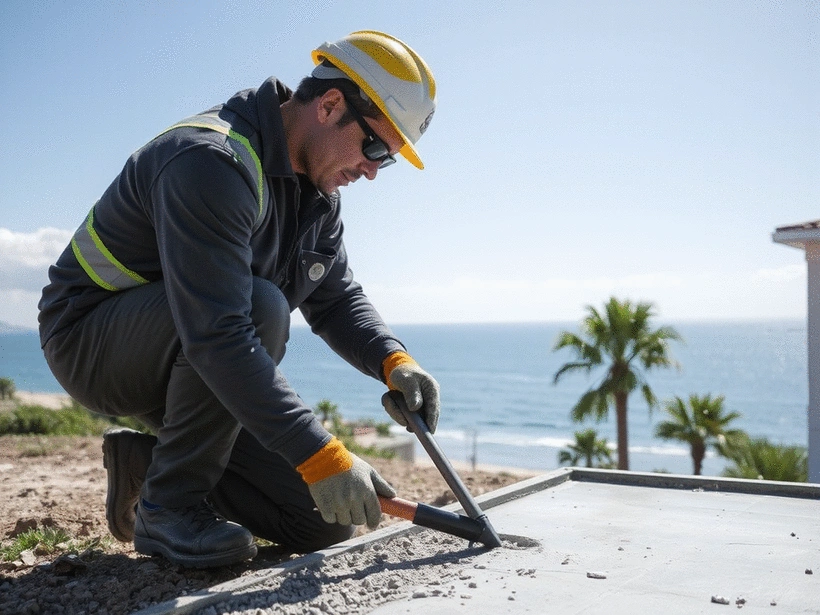
Residential waterproofing helps protect homes from water ingress in areas exposed to moisture, including bathrooms, balconies, roofs and ground-contact surfaces. On the Gold Coast, effective moisture management is particularly important where rainfall and humidity can contribute to ongoing dampness and water-related problems.
Residential Waterproofing on the Gold Coast
Residential waterproofing involves creating barriers that help prevent water from entering building surfaces. Depending on the location and construction, this may involve liquid membranes, sheet membranes or other waterproofing systems suited to the area being treated.
Waterproofing is commonly used in moisture-prone areas such as bathrooms, laundries, balconies and other parts of a home where water needs to be contained or directed away from building materials.
Common Residential Waterproofing Systems
The appropriate waterproofing system depends on the surface, location and type of water exposure.
- Liquid membranes: Coatings that are applied to surfaces to form a continuous waterproof barrier.
- Sheet membranes: Pre-formed waterproofing layers used where a sheet system is appropriate.
- Damp proofing: Moisture-control measures used particularly around ground-contact areas where moisture penetration needs to be controlled.
Different areas of a home may require different approaches. A bathroom waterproofing system, for example, has different requirements from waterproofing a balcony or exposed roof area.
Why Waterproofing Matters for Gold Coast Homes
Water ingress can affect internal finishes and building materials when it is not identified and addressed. Moisture may appear as staining, damp areas, deteriorating surfaces or other visible changes.
Regular attention to waterproofed areas, drainage and exposed surfaces can help identify developing problems before they become more extensive.
Damp Proofing and Moisture Control
Damp proofing is used to help limit moisture penetration, particularly in areas that are in contact with the ground. Ground moisture can affect walls, floors and other building surfaces when suitable moisture barriers are absent, damaged or no longer performing as intended.
Where dampness is present, it is important to identify the source before deciding whether damp proofing, waterproofing, drainage improvements or another repair is appropriate.
Maintaining Residential Waterproofing
Waterproofing is not simply an installation task. Ongoing maintenance can help identify deterioration and drainage problems that may affect the surrounding waterproofed areas.
- Inspect visible joints and seams for deterioration.
- Keep gutters, downpipes and drainage areas clear.
- Watch for new staining, dampness or water entry.
- Check areas affected by heavy rainfall for signs of moisture intrusion.
- Address damaged surfaces or drainage issues when they become apparent.
For more information about potential shower-related moisture problems, see our guide to common causes of shower leaks.
Waterproofing Maintenance and Warranties
If waterproofing work has been completed at your property, keep the relevant documentation and check the warranty terms supplied with the work. Coverage, exclusions, maintenance requirements and warranty periods can vary between products and contractors.
Regular inspections may also help identify leaks or deterioration before they result in more extensive repairs. The appropriate inspection frequency depends on the type of waterproofing and the conditions affecting the property.
Residential Waterproofing FAQs
What is residential waterproofing?
Residential waterproofing uses membranes, coatings and other systems to help prevent water from penetrating building surfaces in areas such as bathrooms, balconies, laundries and other moisture-prone locations.
What waterproofing systems are commonly used?
Common systems include liquid membranes and sheet membranes. Damp proofing may also be used for moisture control in ground-contact areas. The appropriate system depends on the location and type of water exposure.
Why is waterproofing important on the Gold Coast?
Waterproofing helps manage moisture and water ingress in residential buildings. Areas exposed to rainfall, humidity or regular water use can require particular attention to waterproofing and drainage.
How often should waterproofing be inspected?
There is no single inspection interval that applies to every waterproofing system. Regular checks of waterproofed areas, drainage and visible surfaces can help identify developing problems early.
What should I check in a waterproofing warranty?
Check the warranty period, what is covered and excluded, any maintenance requirements and whether the warranty can be transferred if the property is sold.
Residential Waterproofing on the Gold Coast
Residential waterproofing can form an important part of moisture management in Gold Coast homes. Identifying the source of water, selecting a suitable waterproofing system and maintaining surrounding drainage can all contribute to effective moisture control.
For further information, see our residential waterproofing cost guide and our guide to waterproofing for Gold Coast homes.
Contact us on 0419 136 537.