Balcony Waterproofing Gold Coast QLD
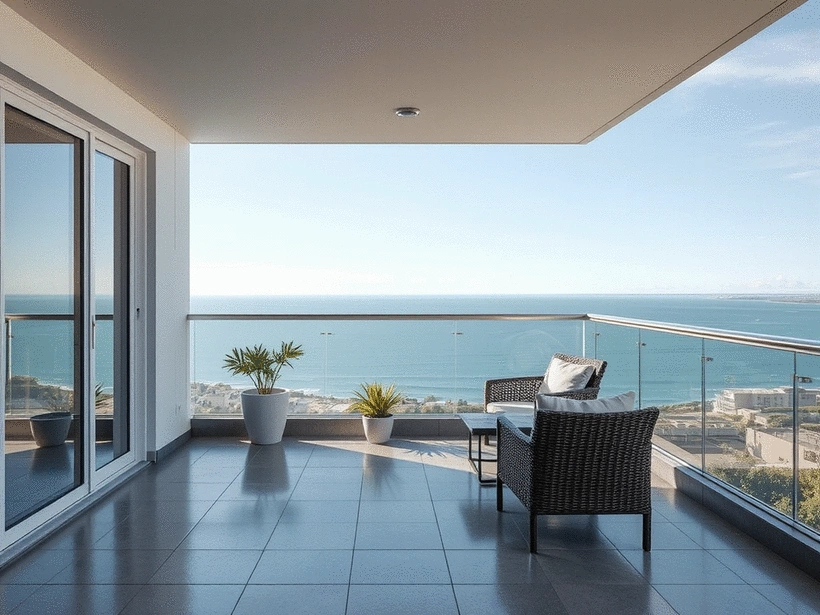
Balcony waterproofing helps prevent water from penetrating beneath balcony surfaces and into adjoining building areas. On the Gold Coast, balconies can be exposed to rainfall, humidity and regular weathering, making effective waterproofing and drainage important considerations.
Balcony Waterproofing on the Gold Coast
Balcony waterproofing involves applying a suitable waterproofing system to help prevent moisture from entering the substrate beneath the finished surface. If water penetrates through cracks, joints or failed waterproofing, it can affect surrounding walls, ceilings and building materials.
For broader information about protecting residential properties, see our guide to waterproofing for Gold Coast homes.

Common Balcony Waterproofing Problems
Waterproofing problems on balconies can develop gradually. Some common warning signs include:
- Water pooling: Standing water can indicate drainage or surface problems.
- Cracks: Cracks in balcony surfaces can provide pathways for moisture.
- Corrosion: Moisture reaching metal components can contribute to corrosion.
- Water intrusion: Moisture entering the structure can result in staining or deterioration in areas below or beside the balcony.
Addressing visible signs of water ingress early can help determine whether the issue is related to waterproofing, drainage, surface deterioration or another cause.
Balcony Waterproofing Membranes
Waterproofing membranes form a barrier between the exposed balcony surface and the underlying structure. Common membrane types include:
- Liquid membranes: Applied as a liquid and cured to create a continuous waterproof layer.
- Sheet membranes: Pre-formed waterproofing sheets installed over prepared surfaces.
- Bituminous membranes: Waterproofing membranes based on bituminous materials that may be suitable for particular applications.
The appropriate membrane depends on the balcony construction, existing surface, exposure and the finished surface that will be installed over the waterproofing system.
Balcony Drainage and Waterproofing
Waterproofing works alongside effective drainage. Balcony surfaces need to manage rainfall and other water without allowing water to remain against vulnerable areas for extended periods.
Drainage outlets should be kept clear, while the balcony surface should be checked for areas where water consistently collects. If pooling occurs, the cause should be investigated rather than simply applying another waterproofing coating over the existing surface.
When Does a Balcony Need Waterproofing?
Signs that a balcony may require investigation include persistent water pooling, surface cracks, staining, deteriorating finishes or moisture appearing in the area below.
Waterproofing should not be selected based solely on visible symptoms. An assessment can help determine whether the source is the membrane, drainage, surface condition, joints or another part of the building.
Professional Balcony Waterproofing
Balcony waterproofing can involve surface preparation, repairs, membrane installation and attention to drainage details. The condition of the existing surface needs to be considered before a new waterproofing system is applied.
Where building or licensing requirements apply to the proposed work, these should be checked as part of the project. If a warranty is offered, review its terms to understand what is covered and whether any maintenance requirements apply.
For information about costs and factors that can affect a waterproofing project, see our Gold Coast residential waterproofing cost guide.
Maintaining Balcony Waterproofing
Regular visual checks can help identify developing problems before they become more extensive. Keep drainage outlets clear and look for changes such as new cracks, staining, surface deterioration or persistent pooling.
If water is appearing inside the property or on surfaces beneath the balcony, investigate the source promptly rather than assuming the visible area is the only affected location.
Balcony Waterproofing FAQs
What is balcony waterproofing?
Balcony waterproofing uses membranes or other waterproofing systems to help prevent water from penetrating the balcony substrate and reaching underlying building materials.
What are common signs of balcony waterproofing problems?
Water pooling, cracks, staining, deteriorating finishes, corrosion and moisture appearing below the balcony can indicate a problem that requires investigation.
What types of membranes can be used on balconies?
Common options include liquid membranes, sheet membranes and bituminous membranes. The suitable system depends on the balcony construction and project requirements.
Can drainage problems cause balcony water damage?
Yes. Poor drainage or blocked outlets can allow water to remain on the balcony surface, increasing exposure to moisture. Drainage should be considered alongside waterproofing.
How often should a balcony be inspected?
Regular visual checks are useful, particularly after periods of heavy rainfall. The inspection frequency needed will depend on the balcony, waterproofing system and surrounding conditions.
Balcony Waterproofing on the Gold Coast
A balcony waterproofing system needs to work with the balcony's surface, drainage and construction. Identifying the source of water ingress and preparing the surface correctly are important parts of any waterproofing project.
For related information, see our balcony waterproofing solutions and wet area waterproofing guide.
Contact us on 0419 136 537.