Wet Area Waterproofing on Gold Coast
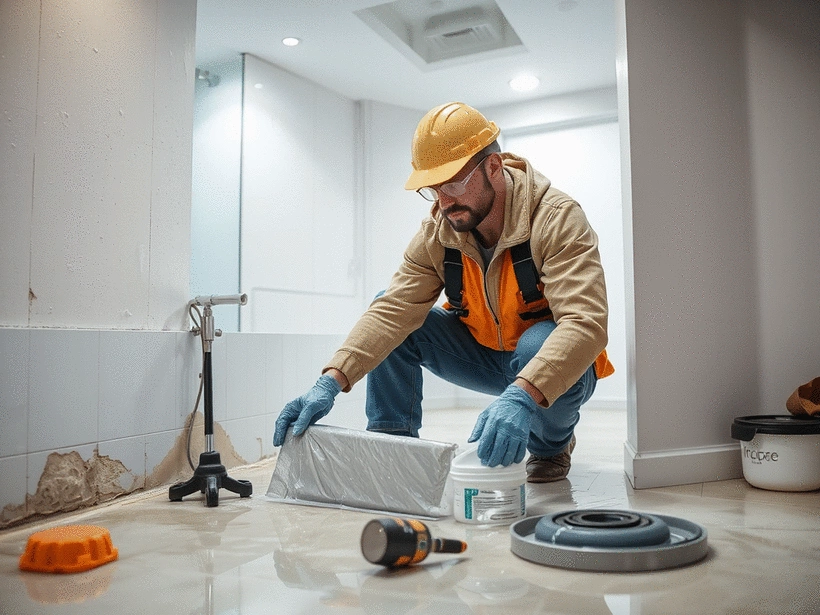
Wet area waterproofing helps prevent moisture from penetrating walls, floors and other building materials in areas regularly exposed to water. Bathrooms, showers, kitchens, laundries and balconies all require appropriate moisture protection based on their construction and level of water exposure.
Wet Area Waterproofing on the Gold Coast
Water entering behind finished surfaces can contribute to deterioration, dampness and mould growth. Effective waterproofing creates a barrier that helps keep water within the intended wet area and protects surrounding building materials.
For broader residential applications, see our guide to waterproofing for Gold Coast homes.
Areas That Commonly Require Waterproofing
- Bathrooms
- Showers
- Kitchens
- Laundries
- Balconies
Each area has different moisture exposure and construction requirements, so the waterproofing system should be selected accordingly.
Common Wet Area Waterproofing Systems
Several waterproofing systems can be used depending on the surface, location and project requirements.
- Liquid membranes: Flexible coatings that form a continuous barrier when cured and can suit complex surfaces.
- Sheet membranes: Preformed membranes that provide a consistent waterproofing layer when correctly installed.
- Cementitious waterproofing: Cement-based systems that can be used for particular applications, including some below-grade areas.
- Bituminous coatings: Waterproofing coatings used for certain external, roof and exposed applications.
Our guide to liquid membranes and sheet systems provides further information about two commonly used approaches.
Repair or Replace Existing Waterproofing?
Whether an existing waterproofing system can be repaired or needs replacement depends on the extent of the damage, the condition of the existing system and the cost of continued repairs.
When Repair May Be Appropriate
Localised damage or an isolated failure may sometimes be addressed without replacing the entire waterproofing system. The existing materials and the source of the problem should be assessed before deciding on the appropriate repair.
When Replacement May Be Required
Widespread failures, repeated repairs or a significantly deteriorated waterproofing system may indicate that replacement is more appropriate. The source material also suggests considering replacement where a system is more than 10 years old and showing significant wear, although the actual condition should be assessed rather than relying on age alone.
If you are dealing with a bathroom leak, see our bathroom leak repair guide for the Gold Coast.
Signs Your Wet Area May Have a Waterproofing Problem
Waterproofing problems are not always immediately visible. Possible warning signs include:
- Damp or discoloured walls and floors
- Peeling or damaged finishes
- Recurring leaks
- Moisture appearing outside the wet area
- Mould or persistent musty smells
- Repeated failure of seals or joints
Finding the source of moisture is important before deciding whether repairs or a new waterproofing system are required.
Insurance, Warranties and Waterproofing Work
When engaging a waterproofing contractor, homeowners can ask what insurance and warranty arrangements apply to the proposed work. Any warranty should be reviewed carefully to understand what is covered, for how long and under what conditions.
Insurance requirements can also vary depending on the contractor and project. It is sensible to confirm the relevant coverage before work begins rather than assuming a particular level of protection applies.
Wet Area Waterproofing and Inspections
Where waterproofing work needs to be inspected, the relevant areas should be accessible and any available project documentation should be kept together. This may include previous reports, product information or warranty documentation.
Specific compliance requirements depend on the type of work and the building. Standards and regulations should therefore be considered where they directly apply to the project.
Wet Area Waterproofing FAQs
What is wet area waterproofing?
Wet area waterproofing involves installing materials and systems that create a barrier against water penetration in areas regularly exposed to moisture, such as bathrooms, showers, kitchens and laundries.
Which areas of a home commonly need waterproofing?
Bathrooms, showers, kitchens, laundries and balconies are common areas requiring waterproofing or other forms of moisture protection.
What types of waterproofing systems are available?
Common systems include liquid membranes, sheet membranes and cementitious waterproofing. Bituminous coatings are also used for some roof and exposed applications.
Should I repair or replace my waterproofing?
Localised damage may sometimes be repairable, while widespread deterioration, repeated failures or significant wear may require replacement. The existing system should be assessed before making a decision.
What can indicate a waterproofing problem?
Dampness, discolouration, damaged finishes, recurring leaks, mould and moisture appearing outside the wet area can all indicate that further investigation is required.
Wet Area Waterproofing on the Gold Coast
Choosing the right waterproofing approach starts with identifying the affected area, understanding the source of moisture and assessing the condition of the existing surfaces and waterproofing system. This can help determine whether repair, replacement or a new waterproofing installation is appropriate.
For more information, see our guide to waterproofing wet areas on the Gold Coast.
Contact us on 0419 136 537.