Wet Areas Waterproofing Gold Coast QLD
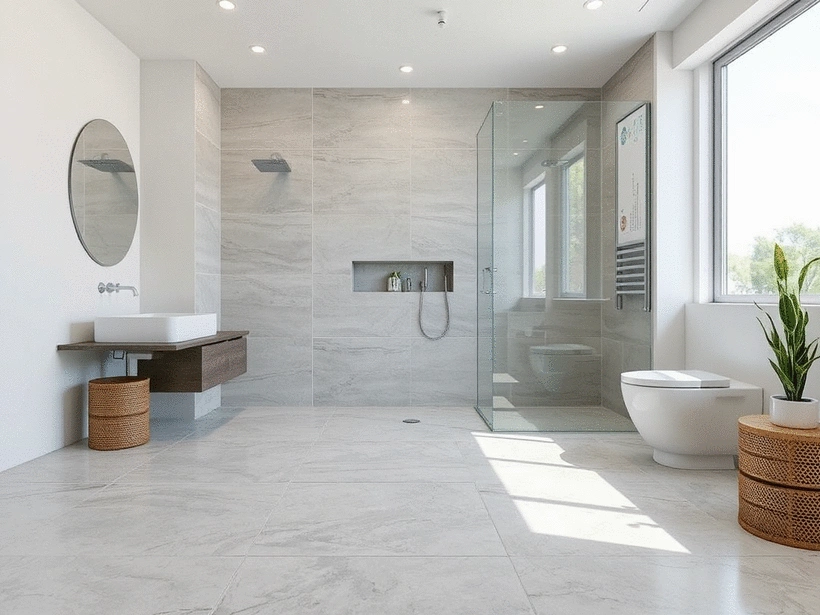
Wet area waterproofing helps prevent moisture from moving beyond bathrooms, laundries and other areas exposed to regular water use. A properly installed waterproofing system can help protect surrounding surfaces and building materials from leaks and moisture damage.
Wet Area Waterproofing on the Gold Coast
Bathrooms and laundries are exposed to frequent water and humidity, making effective waterproofing an important part of protecting the surrounding structure. Waterproofing generally involves creating a continuous barrier beneath or behind finished surfaces so water remains within the intended wet area.
For Gold Coast homes, the right approach depends on the wet area, existing construction, drainage, surface condition and the source of any moisture problems. For broader residential applications, see our guide to waterproofing for Gold Coast homes.
What is Wet Area Waterproofing?
Wet area waterproofing uses membranes and associated sealing products to limit water penetration into floors, walls and adjoining building materials. Common applications include bathrooms, showers, laundries and other areas where water is regularly present.
- Waterproof membrane systems
- Sealing around joints, penetrations and transitions
- Preparation of surfaces before waterproofing is applied
- Attention to drainage and water flow
The waterproofing system needs to work as a continuous barrier, particularly around corners, floor-to-wall junctions and plumbing penetrations.
Why Bathrooms and Laundries Need Waterproofing
Bathrooms and laundries can experience repeated exposure to water from showers, baths, sinks, washing machines and cleaning. If moisture gets behind finished surfaces, it can contribute to deterioration of surrounding materials and create conditions where mould and mildew may develop.
Signs that a wet area may require investigation can include:
- Persistent damp or musty areas
- Discolouration around walls or floors
- Peeling or damaged finishes
- Moisture appearing outside the wet area
- Recurring leaks or unexplained dampness
If the problem is around a shower, our guide to common causes of shower leaks covers several potential sources.
Common Causes of Wet Area Water Damage
Water damage can result from several different problems, so identifying the source is important before deciding on a waterproofing solution. Common causes include:
- Leaking plumbing fixtures or pipes
- Failed or deteriorated seals
- Cracks or movement around tiled surfaces
- Inadequate drainage or water flow
- Damaged or poorly performing waterproofing systems
- Excess moisture caused by inadequate ventilation
Waterproofing should address the underlying moisture problem rather than simply covering visible damage.
Wet Area Waterproofing Systems
Different waterproofing products and membrane systems can be used depending on the construction and condition of the area. Liquid-applied membranes and sheet systems are two common approaches, with the appropriate option depending on the project requirements.
Surface preparation is also important. Existing damage, cracks, unsuitable surfaces and areas around penetrations may need to be addressed before the waterproofing system is installed.
Our guide to liquid membranes and sheet systems provides further information on these approaches.
Maintaining Wet Area Waterproofing
Regular inspection can help identify moisture problems before they become more extensive. Check wet areas for damaged seals, cracks, loose finishes, persistent dampness and other signs that water may be escaping its intended area.
- Keep shower and floor drains clear
- Check visible seals and joints for deterioration
- Repair damaged surfaces promptly
- Investigate recurring moisture rather than masking it
- Maintain adequate ventilation in bathrooms and laundries
Wet Area Waterproofing FAQs
What is wet area waterproofing?
Wet area waterproofing is the use of membranes and sealing systems to help prevent water from penetrating floors, walls and adjoining building materials in areas exposed to regular moisture.
Which areas commonly require waterproofing?
Bathrooms, showers and laundries are common wet areas because they are regularly exposed to water. The waterproofing requirements depend on the construction and use of the particular area.
What can cause water damage in a wet area?
Potential causes include leaking plumbing, deteriorated seals, cracks, drainage problems, damaged waterproofing and excessive moisture or condensation.
How can I tell if my wet area has a waterproofing problem?
Dampness, discolouration, damaged finishes, recurring leaks or moisture appearing outside the wet area can indicate that further investigation is needed.
How should wet area waterproofing be maintained?
Keep drains clear, inspect visible seals and surfaces, address damage promptly and investigate any recurring moisture or leaks before they cause further problems.
Wet Area Waterproofing on the Gold Coast
Whether you are dealing with a leaking shower, renovating a bathroom or addressing moisture in a laundry, the waterproofing system should suit the construction and specific conditions of the area. Proper preparation, membrane installation, sealing and drainage all contribute to effective moisture control.
For more information, see our guide to waterproofing wet areas on the Gold Coast.
Contact us on 0419 136 537.